Complete Guide to Electronics Recycling
Green Initiatives: How E-Waste Recycling Services Are Protecting Our Planet
Electronic waste View details presents serious dangers to the environment, as abandoned electronic devices commonly carry harmful materials. These hazardous substances can contaminate soil and water, leading to broader ecological damage. Electronic waste recycling programs offer an effective remedy. They serve the dual purpose of reclaiming precious materials and reducing contamination. Comprehending the operation of these services and their influence on communities is of great importance. The journey towards effective e-waste management raises critical questions about individual responsibility and collective action. What steps can be taken next?
Why Electronic Waste Is Harmful to the Planet
Although technology enriches contemporary living, e-waste creates serious threats to the environment. Abandoned electronic gadgets, often containing dangerous compounds like mercury, lead, and cadmium, may release harmful substances into groundwater and soil, posing risks to human health and ecosystems. The swift progression of technology leads to higher rates of electronics disposal among consumers, worsening the buildup of electronic waste.
Landfills, already burdened with waste, struggle to accommodate the growing volumes of discarded gadgets. Burning, an alternative disposal approach, discharges toxic contaminants into the air, worsening overall air quality. In addition, improper recycling practices can lead to the exportation of e-waste to developing countries, where laborers may dismantle devices without adequate safety measures, exposing themselves to dangerous substances. This pattern of negligence and mismanagement highlights the critical demand for eco-friendly recycling alternatives that can reduce the damaging impact of electronic waste on the environment.
What Is E-Waste and Why Is It Important?
Electronic waste, commonly known as e-waste, comprises unwanted electronic equipment like smartphones, computers, and televisions that have exceeded their operational lifespan. This increasingly prevalent form of waste is important due to its rapid accumulation, fueled by innovation in technology and shifting consumer habits. With an increasing number of devices reaching obsolescence, the ecological consequences become more pronounced, with harmful substances like lead, mercury, and cadmium posing risks to ecosystems and human health.
The significance of tackling e-waste extends beyond minimizing these risks to recognizing the valuable resources it holds. Precious metals and rare earth elements can be recovered and reused, reducing the need for mining and conserving natural resources. Through a deeper awareness of e-waste and its consequences, both individuals and organizations can make well-informed choices regarding disposal and recycling, thereby supporting a more sustainable future. Proper management of e-waste is essential for fostering a circular economy and promoting environmental stewardship.
How the E-Waste Recycling Process Works
E-waste recycling entails a structured approach intended to extract beneficial components while reducing harm to the environment. To begin, discarded electronics are retrieved and sent to specialized recycling facilities. Once there, the electronics are carefully categorized to separate hazardous components from recyclable materials.
After this step, specialists take apart the items, extracting glass, metals, and plastics. This step is critical, as it facilitates the extraction of valuable metals like silver, gold, and copper, which can be reused in modern electronics.
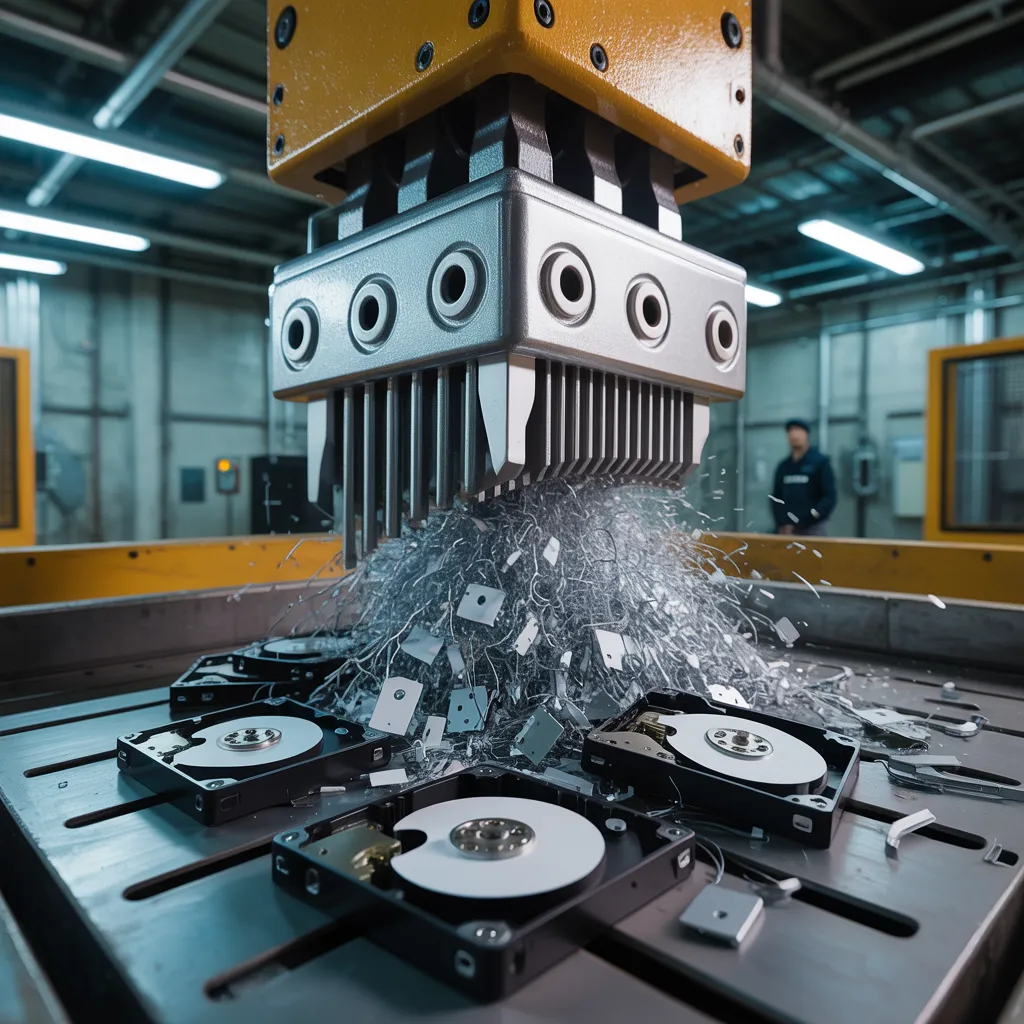
Next, the divided materials are treated using cutting-edge techniques, such as shredding and specialized chemical treatments, to cleanse them for recycling.
In the final step, the residual hazardous materials are disposed of responsibly, following eco-friendly standards. This comprehensive process not only conserves resources but also reduces the dangers connected to improper e-waste disposal, guaranteeing a greener future for electronic device usage.
Advantages of E-Waste Recycling for You and Your Community
Although it often goes unnoticed, the advantages of e-waste recycling reach well past personal use to meaningfully influence entire communities. By carefully processing electronic waste, individuals help foster a safer environment, minimizing toxic components that can leach into soil and water. This proactive approach helps preserve local ecosystems and promotes public health.
Moreover, the recycling of e-waste encourages the creation of jobs in communities. Community recycling operations commonly require workers for numerous tasks, including collection and processing, therefore offering work opportunities for local residents. This not only boosts the local economy but also inspires community dedication to sustainable efforts.
Moreover, understanding of e-waste recycling has the potential to generate awareness campaigns, equipping residents to make environmentally conscious decisions. By enrolling in e-waste recycling programs, individuals promote a culture of sustainability, motivating others to embrace similar practices. All things considered, the shared impact of these actions can create a more strong and environmentally aware community.
How to Choose an E-Waste Recycling Service
Selecting the most suitable e-waste disposal service is essential for making sure that electronic refuse is processed in a responsible and sustainable manner. Initially, individuals should check the provider's accreditations, such as e-Stewards or R2, which demonstrate conformance to established benchmarks for secure waste disposal procedures. It is equally important to evaluate the organization's standing by reading customer reviews and seeking referrals from reliable sources.
Next, transparency in the recycling process is vital. A trustworthy company should provide clear information about how e-waste is processed and how the materials are utilized. Additionally, evaluating the range of services offered can be beneficial; various firms may supply retrieval services or extend benefits for recycling.
In addition, understanding regional rules concerning e-waste disposal can additionally influence the evaluation process. When these considerations are given priority, individuals can contribute to effective e-waste management while also advancing environmentally responsible practices.
How You Can Take Part in E-Waste Recycling?
Getting involved with e-waste recycling can start at the local level, where community recycling hubs frequently offer essential services for safe disposal. Moreover, taking part in community awareness campaigns can amplify efforts to raise awareness about the importance of proper e-waste handling. Such efforts not only promote sustainability but also cultivate a collective sense of accountability for the environment.
Area Recycling Stations
A wide range of community recycling facilities perform an important function in the recycling of e-waste, supplying communities with reliable ways to discard electronic waste in an eco-friendly way. These stations receive a selection of electronic items, including old computers, smartphones, and televisions, ensuring that harmful materials are handled safely. Most stations have trained staff who can guide individuals on proper disposal methods, highlighting the value of recycling rather than landfilling. In addition, numerous facilities provide planned drop-off gatherings or set collection days, making participation convenient for residents. By taking advantage of these neighborhood resources, community members advance a circular economy, reducing environmental impact and promoting sustainable practices. Working alongside these hubs enables communities to combat e-waste pollution successfully.
Community Awareness Campaigns
Community groups, educational institutions, and companies can partner to arrange initiatives that encourage e-waste collection drives. Volunteers can play a pivotal role in spreading awareness, distributing educational materials, and engaging with the community. By means of these joint initiatives, local inhabitants gain greater awareness and encouragement to properly recycle their e-waste, thereby helping to build a greener and more sustainable tomorrow.
Common Questions and Answers
What Types of Electronics Can Be Recycled?
A wide range of electronics may be recycled, including smartphones, computers, laptops, televisions, printers, and gaming consoles. Additionally, ancillary devices such as keyboards, mice, and batteries are also suitable for recycling, supporting environmental conservation efforts.
Is There a Cost Associated With E-Waste Recycling?
That's correct, electronic waste recycling may involve fees, depending on the provider. Some service centers impose charges for gathering or treatment, while others offer free services, frequently supported by the resale of recovered materials.
What Are the Benefits of E-Waste Recycling for Businesses?
Organizations can gain from e-waste recycling by minimizing disposal costs, strengthening their ecological standing, meeting compliance standards, recovering valuable materials, and potentially generating revenue through resale, thereby fostering a more environmentally responsible business approach.
What Happens to Data on Recycled Devices?
Data regarding refurbished equipment is frequently irretrievably wiped or eliminated throughout the recycling process. This guarantees sensitive information remains secure, blocking unwanted intrusion while enabling resources to be reused carefully and ethically across new manufacturing processes.
Is It Possible to Recycle Damaged Electronics?
Absolutely, broken electronics may be recycled. A wide range of facilities receive non-functioning devices, ensuring responsible disposal and recovery of useful materials. Doing so helps minimize the environmental footprint while fostering eco-friendly recycling methods to address electrical waste responsibly.